Low Budget Repairs First Job Route
What to do first in the Low Budget Repairs Demo opening section.
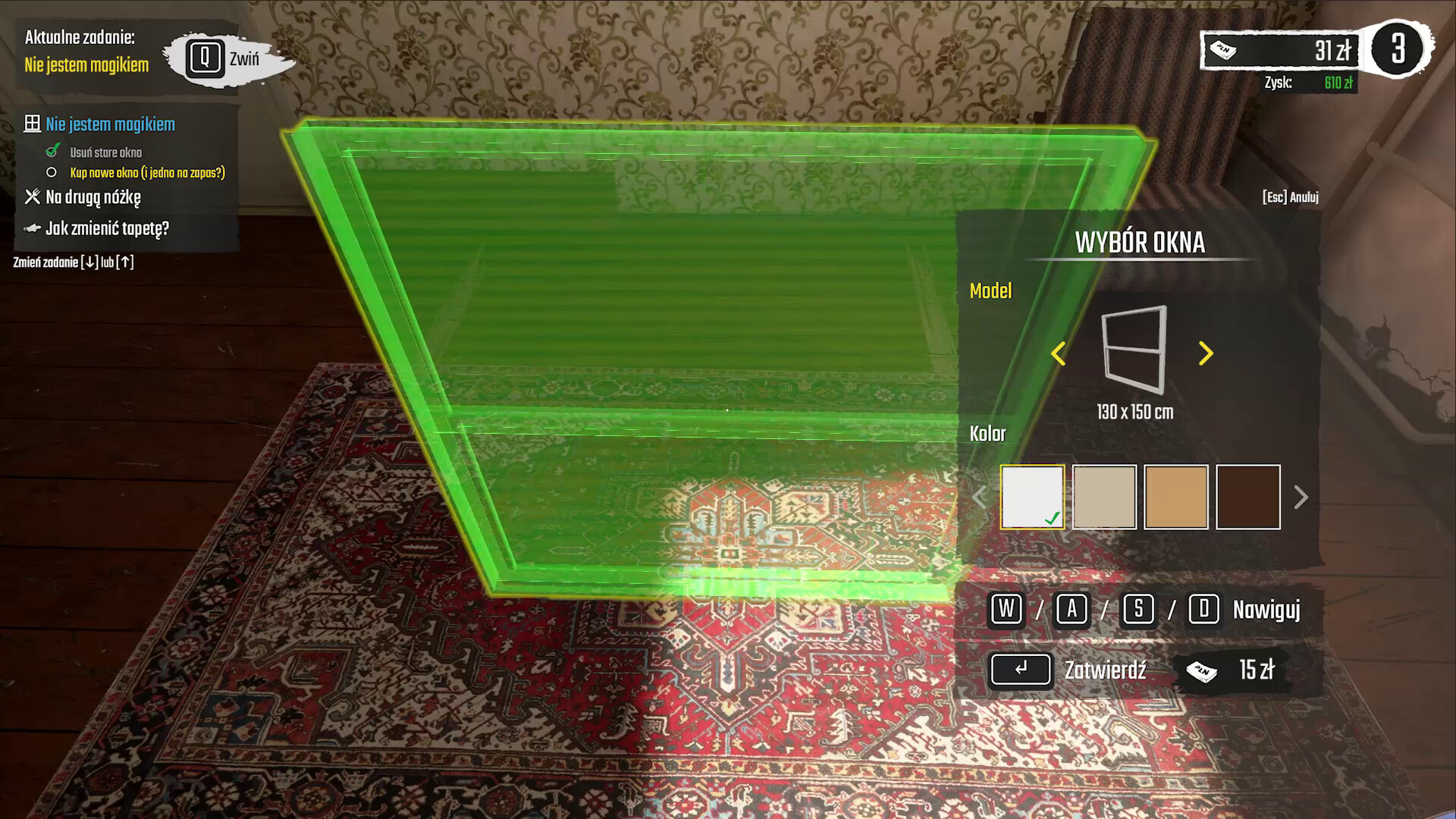
The Low Budget Repairs Demo opens with the part most new players care about: the first playable renovation route. Press coverage for the July 2026 milestone says the Demo lets players play the opening section, take the first renovation jobs, meet memorable local customers, and test tools and materials before the full release. That means your first goal is not to master every future system. Your goal is to learn the order of operations that turns a nasty apartment into paid work without wasting money.
Use this page when you search for what to do first in the Low Budget Repairs Demo. For a broader overview, start with the Demo Walkthrough. For this page, assume you are already inside the opening job and want a route that keeps you moving.
1. Survey before touching anything
Walk the job space once without buying materials. Look for trash, stains, blocked paths, broken fixtures, wet areas, electrical hazards, ugly paint, damaged tiles, and furniture that prevents access. The Demo teaches comedy through clutter, so rushing into a tool interaction can hide the actual priority.
Group tasks into four buckets: cleaning, functional fixes, shopping, and cosmetics. Cleaning makes surfaces readable. Functional fixes stop damage or unlock progress. Shopping turns the checklist into a budget problem. Cosmetics are usually last because paint and tiles are easy to waste if the room is still dirty, wet, or blocked.
2. Listen to the customer and read the job text
The first renovation jobs introduce local customers with personality, not just objective markers. Pay attention to what they complain about and what the job text actually requires. Low Budget Repairs is about sloppy work and premium invoices, but the game still needs enough checklist completion to pay you.
If a customer talks about a ruined kitchen, check whether the job expects cleaning, painting, tile repair, plumbing attention, or a mix. If the brief mentions safety or electricity, open Electricity & Wiring before using risky tools. The joke lands better when you know exactly which corners you are cutting.
3. Clean first, then clear access
Start with visible trash, stains, and surfaces. The Cleaning Jobs order is still the best first-job rule: remove loose junk, clean what blocks visibility, then expose the walls, floor, fixtures, and sockets you need to work on. Cleaning early prevents two common Demo mistakes: painting over a surface you cannot finish, and missing a functional problem until after you spent money.
Furniture is part of the access problem. Move it if the route is sane. If the job turns into full comedy physics, use the broader Demo guidance before committing to a destructive shortcut. The first job is a learning route, so notice what the physics allows without assuming every blocked item should become a window gag.
4. Fix functional problems before cosmetics
After cleaning, handle anything that can ruin later work. Leaks, wet floors, and bathroom failures belong before paint; see Bathroom Flood Jobs if water is present. Electrical tasks belong before cosmetic drilling or lamp work; check Electricity & Wiring and treat fuses as a first step, not a panic button.
Functional fixes are also where tools matter most. The Demo lets you test tools and materials, so take notes on which cheap option still completes the prompt. Do not buy the nicest version of everything just because the store makes it available.
5. Shop once with a short list
Before opening the store, write a mental shopping list: paint amount, tile amount, repair material, and the specific tool needed to satisfy current tasks. Then use Hardware Store, Materials, and Cheap Tools to choose the cheapest acceptable path.
The game fantasy is an amateur handyman business built on cost control. You can be sloppy and still charge premium, but you cannot profit if you overbuy like a perfectionist contractor. In the opening section, the best habit is to buy for the current job, not for an imaginary full-game warehouse.
6. Test tools and materials deliberately
The Demo is the safe place to learn how tool feel affects profit. Try the basic versions long enough to understand their drawbacks. If a cheap tool slows you down but saves enough cash, it may still be correct. If it creates repeat failures, the upgrade might be cheaper than rework.
Materials deserve the same treatment. Paint dilution, budget tiles, and low-grade supplies define the Low Budget Repairs identity. Use Painting Walls and Laying Tiles once the room is ready. The route is not “make it beautiful.” The route is “make it pass while preserving margin.”
7. Finish cosmetics in layers
Paint after cleaning and functional fixes. Tile after the floor or wall area is clear. Do not chase tiny visual perfection unless the checklist or payment requires it. If a wall needs broad coverage, work from the most visible area outward. If tiles are needed, finish the required patch before styling optional corners.
This is where Demo players learn the difference between a job that looks cursed and a job that fails. Low Budget Repairs wants the first category. The opening section teaches you how far you can push cheap materials before the job stops paying.
8. Cash out and review the route
When the first job completes, check what you bought, what you ignored, and what wasted time. Then compare your run with How to Make Money. The best first-job result is not just a payment screen; it is a repeatable habit for launch week.
After cash-out, open Demo Walkthrough for broader practice and revisit Controls if any tool felt clumsy. The full launch on August 13, 2026 should add more jobs, but this order will still carry: survey, read, clean, fix, shop, test, decorate, cash out.
Quick route checklist
- Survey every room before spending.
- Read the customer brief and job text together.
- Clean trash and stains before paint or tiles.
- Fix water and electricity before cosmetics.
- Buy the cheapest materials that complete the checklist.
- Test tools in the Demo, then remember what actually saved money.
- Cash out and write down which shortcut helped most.
Treat the first job as a tutorial in profitable bad workmanship. Once this route feels natural, the rest of the Demo becomes less about confusion and more about finding the most efficient way to be the building’s notorious handyman.
Frequently Asked Questions
Quick answers for Demo and launch-week questions.
What should I do first in the Low Budget Repairs Demo?
Survey the apartment, read the job brief, clean visible mess, then fix functional problems before buying cosmetic materials.
Should I buy tools before inspecting the first job?
No. Inspect first, then shop with a short list. Use hardware store and cheap tools to avoid overbuying.
Is the first job route different from the Demo walkthrough?
Yes. The Demo walkthrough covers the whole slice, while this page focuses on the opening job order.